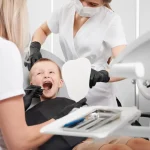

Most children should visit the dentist every six months for regular checkups and professional cleanings. These visits help prevent cavities, monitor dental development, and identify problems early before they become more serious. Some children may need more frequent visits depending on their oral health, cavity risk, or dental conditions.
Why Do Children Need Regular Dental Visits?
Routine dental visits are an important part of keeping a child’s teeth and gums healthy.
Even with good brushing at home, professional dental visits help:
- Remove plaque and hardened buildup
- Detect cavities early
- Monitor jaw and tooth development
- Check bite alignment
- Reinforce healthy oral hygiene habits
Preventive care is usually simpler, less stressful, and less expensive than treating advanced dental problems later.
Why Are Six-Month Visits Commonly Recommended?
Most pediatric dentists recommend visits every six months because plaque and tartar naturally build up over time.
Regular checkups allow the dentist to:
- Catch early signs of decay
- Monitor how baby and permanent teeth are erupting
- Identify habits affecting oral health
- Keep teeth professionally cleaned
Children’s mouths change quickly as they grow, so routine monitoring is important.
Can Some Children Need More Frequent Dental Visits?
Yes.
Some children benefit from more frequent visits depending on their individual needs.
This may include children with:
- A history of frequent cavities
- Weak enamel or enamel defects
- Orthodontic appliances
- Poor oral hygiene habits
- Special healthcare needs
A pediatric dentist may recommend visits every three or four months in higher-risk cases.
What Happens During a Routine Dental Visit?
Routine appointments are usually simple and preventive.
A typical visit may include:
- Examining the teeth and gums
- Professional cleaning
- Fluoride treatment if needed
- Monitoring tooth eruption and bite development
- Discussing brushing, flossing, and nutrition
The goal is to maintain oral health and prevent future problems.
What Are the Risks of Skipping Dental Checkups?
When routine visits are delayed or skipped, small problems can become larger ones.
Potential risks include:
- Cavities that worsen over time
- Gum inflammation
- Tooth pain or infection
- Undetected alignment problems
- Increased dental anxiety if treatment becomes necessary later
Early detection often means simpler treatment and a better experience for the child.
How Can Parents Help Between Dental Visits?
Daily home care plays a major role in oral health.
Parents can help by:
- Brushing their child’s teeth twice daily with fluoride toothpaste
- Supervising brushing for younger children
- Flossing once teeth begin touching
- Limiting sugary snacks and drinks
- Encouraging water between meals
Healthy daily habits make professional visits more effective.
When Should a Child Start Seeing the Dentist?
Children should have their first dental visit:
- By their first birthday
- Or within six months after the first tooth appears
Starting early helps children become comfortable with dental care and allows problems to be identified early.
How Do Regular Dental Visits Help Children Feel More Comfortable?
Children who visit the dentist regularly often feel less anxious because the environment becomes familiar.
- Routine visits help children:
- Build trust with the dental team
- Learn what to expect
- Develop positive feelings about oral care
This can reduce fear and improve cooperation as they grow older.
How Do Dentists Decide How Often a Child Should Return?
The recommended schedule depends on factors such as:
- Cavity risk
- Diet and oral hygiene habits
- Enamel quality
- Medical history
- Dental development
A pediatric dentist will create a personalized care schedule based on the child’s needs.
A Reassuring Note for Parents
Regular dental visits are one of the easiest ways to protect your child’s oral health. Most children do well with checkups every six months, especially when combined with healthy habits at home.
Early and consistent dental care helps children build healthy smiles, positive experiences, and strong oral hygiene routines that can last a lifetime.