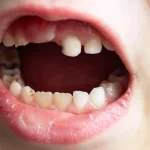

A child’s first dental visit should happen when the first tooth appears or by their first birthday, whichever comes first. Early dental visits help monitor growth, prevent cavities, guide parents on proper oral hygiene, and help children feel comfortable with dental care from a young age.
When Should a Child Have Their First Dental Visit?
Many parents assume dental visits can wait until all the baby teeth appear, but pediatric dental care should begin much earlier.
Most pediatric dentists and dental associations recommend:
- The first visit by age one
- Or within six months after the first tooth erupts
Even one tooth can develop cavities, which is why early preventive care matters.
Why Is the First Dental Visit Important?
Early dental visits are about prevention, education, and building healthy habits.
These visits allow the pediatric dentist to:
- Monitor tooth and jaw development
- Identify early signs of decay
- Evaluate oral habits
- Teach parents proper cleaning techniques
- Discuss nutrition and fluoride use
The goal is to prevent problems before they become painful or more difficult to treat.
What Happens During a Child’s First Dental Appointment?
The first visit is usually short, gentle, and focused on making the child feel safe.
During the appointment, the pediatric dentist may:
- Examine the teeth, gums, and mouth
- Check for early cavities or enamel concerns
- Review brushing and feeding habits
- Clean the teeth if needed
- Discuss teething, pacifier use, and thumb sucking
For infants and toddlers, much of the visit is educational and preventive.
Are Dental Visits Necessary for Baby Teeth?
Yes.
Although baby teeth eventually fall out, they are very important for:
- Chewing and eating properly
- Speech development
- Guiding permanent teeth into position
- Maintaining space in the jaw
Healthy baby teeth support healthy permanent teeth later on.
What Are the Risks of Delaying the First Dental Visit?
Waiting too long can increase the risk of:
- Early childhood cavities
- Tooth pain or infection
- Delayed detection of dental problems
- Fear or anxiety about the dentist
Children who only visit the dentist when they are in pain are more likely to develop negative feelings about dental care.
Starting early helps make dental visits feel normal and comfortable.
How Can Parents Prepare Their Child for the First Visit?
A calm and positive approach helps children feel more relaxed.
Parents can prepare by:
- Talking about the dentist in a positive way
- Avoiding words like “pain” or “shot”
- Scheduling appointments earlier in the day when children are rested
- Bringing a favorite comfort item if needed
The first visit should feel like a supportive introduction, not something scary.
What Can Parents Do at Home Before the First Visit?
Good oral care starts even before all the teeth appear.
Helpful habits include:
- Cleaning gums with a soft cloth before teeth erupt
- Brushing twice daily once teeth appear
- Using a small amount of fluoride toothpaste
- Avoiding putting a child to bed with sugary drinks
- Limiting frequent sugary snacks
These routines help reduce the risk of cavities from an early age.
How Often Should Children Visit the Dentist?
Most children should visit the dentist every six months for routine checkups and cleanings.
However, some children may need more frequent visits depending on:
- Cavity risk
- Oral hygiene habits
- Medical history
- Enamel conditions
A pediatric dentist will recommend the best schedule for your child.
Why Do Early Dental Visits Help Prevent Fear?
Children become more comfortable when dental visits begin early and are associated with positive experiences.
Routine preventive visits help children:
- Build trust with the dentist
- Become familiar with the dental office
- Reduce fear of future treatment
This can lead to healthier long-term attitudes toward oral care.
A Reassuring Note for Parents
It is completely normal to feel unsure about when to schedule your child’s first dental appointment. Early visits are simple, gentle, and designed to support both parents and children.
Starting dental care early helps protect your child’s smile, encourages healthy habits, and creates a positive foundation for future dental visits.