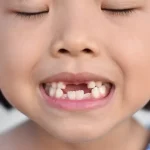

Brown teeth in children can be caused by tooth decay, enamel development conditions like MIH, injury to the tooth, iron intake, or excessive fluoride exposure (fluorosis). Some causes are surface stains, while others affect the inner structure of the tooth. A dental evaluation helps determine the exact cause and the right next steps.
What Causes Brown Teeth in Children?
Brown discoloration can happen for several different reasons. Understanding the cause is important because not all stains are the same.
1. Tooth Decay (Cavities)
One of the most common causes is tooth decay, also known as dental caries.
This happens when:
- Bacteria in the mouth feed on sugars
- Acid is produced
- The enamel begins to break down
As the tooth structure weakens, it can develop:
- Brown spots
- Black areas
- Visible holes in more advanced cases
This type of discoloration requires prompt dental care.
2. MIH (Molar Incisor Hypomineralization)
MIH is a developmental condition that affects how enamel forms.
With MIH:
- Enamel is weaker than normal
- Teeth may have white, yellow, or brown patches
- The surface may look uneven or chalky
These areas are more sensitive and prone to wear or decay.
3. Tooth Injury (Trauma)
A fall or impact can injure a child’s tooth.
When this happens:
- The inner part of the tooth (pulp) may be damaged
- Internal bleeding can occur
- The tooth may gradually turn brown or dark
This type of discoloration often appears over time after the injury.
4. Iron Intake and Staining
Brown stains can sometimes be linked to iron.
Children who take iron supplements may develop:
- Surface stains on the teeth
- Darker areas, especially near the gumline
These stains are often external and may be managed with professional cleaning.
5. Dental Fluorosis (Excess Fluoride)
Fluorosis occurs when a child consumes too much fluoride during tooth development.
This can lead to:
- White streaks or spots
- Yellow or brown discoloration in more noticeable cases
Fluorosis affects how enamel forms and changes the appearance of the teeth.
How Can You Tell What’s Causing the Brown Color?
The appearance of the discoloration can provide clues:
- Small dark spots or holes may suggest cavities
- Patchy white, yellow, or brown areas may indicate MIH or fluorosis
- A single darkened tooth may point to trauma
- Surface stains near the gums may be related to iron
However, it is not always easy to tell at home. A pediatric dentist can accurately diagnose the cause.
Are Brown Teeth Always a Serious Problem?
Not always.
Some discoloration is cosmetic, such as surface staining. However, other causes like decay or enamel defects require attention.
It is important not to ignore brown spots, especially if they are:
- Spreading
- Associated with sensitivity
- Accompanied by pain
- Located on multiple teeth
Early evaluation helps prevent more complex issues.
What Can Parents Do at Home?
While some causes require professional care, parents can support their child’s oral health by:
- Brushing twice daily with fluoride toothpaste
- Supervising brushing for younger children
- Limiting sugary snacks and drinks
- Encouraging water between meals
- Following correct dosage if using fluoride products
- Monitoring iron supplement use as advised by a doctor
Avoid trying to scrub or remove stains aggressively, as this can damage enamel.
When Should You See a Pediatric Dentist?
You should schedule a dental visit if:
- Brown spots appear suddenly
- The discoloration is getting darker
- Your child complains of pain or sensitivity
- There is a history of injury to the tooth
- You are unsure of the cause
A pediatric dentist can determine whether the issue is decay, staining, or a developmental condition and recommend appropriate care.
Can Brown Teeth Be Treated?
Yes, treatment depends on the cause.
Options may include:
- Professional cleaning for surface stains
- Fluoride treatments to strengthen enamel
- Protective coatings
- Restorative treatment for cavities
- Monitoring in mild cases
Addressing the issue early often leads to simpler and more effective solutions.
How Can You Help Prevent Tooth Discoloration?
You can reduce the risk of brown discoloration by:
- Maintaining consistent oral hygiene
- Limiting frequent sugar exposure
- Using fluoride appropriately
- Attending regular dental checkups
- Addressing dental injuries promptly
Healthy habits play a key role in keeping teeth strong and clear.
A Reassuring Note for Parents
Brown teeth in children can be concerning, but the cause is often identifiable and manageable. Whether it is staining, enamel development, or decay, early attention helps protect your child’s comfort and long-term oral health.
If you notice any changes in your child’s tooth color, a simple dental visit can provide clarity and ensure the right care is given.