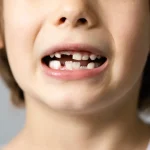

Teeth grinding in children, known as bruxism, commonly happens during sleep. It is often linked to stress, emotional tension, improper tooth alignment (malocclusion), or sleep disturbances. In many children, bruxism is temporary and improves with age. However, if grinding is frequent, painful, or causing tooth damage, a pediatric dentist should evaluate the child.
Why Do Children Grind Their Teeth?
Teeth grinding, or bruxism, is surprisingly common in children, especially during sleep.
Several factors may contribute:
1. Stress or Emotional Tension
Children may grind their teeth when they are anxious, overwhelmed, or adjusting to changes such as school, new routines, or family stress. Even when children seem calm during the day, stress can show up during sleep.
2. Malocclusion (Improper Tooth Alignment)
Malocclusion refers to misalignment of the teeth or jaws. If the upper and lower teeth do not fit together properly, a child may subconsciously grind to try to “adjust” the bite.
3. Sleep Disruptions
Exposure to screens before bedtime can overstimulate the brain. This may affect sleep quality and increase nighttime movement, including teeth grinding.
4. Temporary Developmental Phase
In many children, bruxism is temporary and resolves as they grow and their bite changes.
What Is Bruxism?
Bruxism is the medical term for grinding or clenching teeth, often during sleep.
Children may:
- Make noticeable grinding sounds at night
- Clench their jaw
- Move their mouth repeatedly while sleeping
Sometimes parents only notice it after hearing the sound through a baby monitor or from another room.
What Are the Signs of Teeth Grinding in Children?
Not all children complain about grinding, but signs may include:
- Grinding noises during sleep
- Worn-down or flattened tooth edges
- Jaw soreness in the morning
- Headaches
- Tooth sensitivity
In some cases, children may not show obvious symptoms, which is why routine dental checkups are important.
Is Teeth Grinding Harmful?
Occasional grinding is usually not harmful.
However, frequent or intense bruxism can lead to:
- Enamel wear
- Increased tooth sensitivity
- Jaw discomfort
- Damage to dental restorations (if present)
- Disturbed sleep quality
Most cases in young children improve naturally, but monitoring is important.
What Can Parents Do at Home?
If your child grinds their teeth, you can start with simple supportive steps:
- Avoid screen time at least one hour before bedtime
- Establish a calming bedtime routine
- Encourage relaxation activities before sleep
- Maintain consistent sleep schedules
Reducing overstimulation before bed can improve sleep quality and decrease grinding episodes.
When Should You See a Pediatric Dentist?
Consult a pediatric dentist if:
- Grinding is loud and frequent
- Your child complains of jaw pain
- Teeth appear visibly worn
- There is increased tooth sensitivity
- Grinding continues for an extended period
A dentist can examine the child’s bite and determine whether malocclusion or another issue is contributing.
If grinding is related to pain, alignment issues, or other dental concerns, appropriate guidance can be provided.
Can Children Outgrow Teeth Grinding?
Yes, many children outgrow bruxism as they mature and their teeth and jaws develop.
As permanent teeth erupt and the bite stabilizes, grinding often decreases. Monitoring during routine dental visits helps ensure no long-term damage occurs.
How Can You Help Prevent Bruxism in the Future?
While not all grinding can be prevented, you can reduce contributing factors by:
- Supporting healthy sleep habits
- Limiting screen exposure before bed
- Addressing stress through open communication
- Scheduling regular dental checkups
Early evaluation ensures small issues do not become larger problems.
A Reassuring Note for Parents
Hearing your child grind their teeth at night can be concerning, but in many cases, bruxism is temporary and harmless. With proper monitoring, healthy sleep routines, and routine dental visits, most children experience improvement as they grow.
If you are unsure whether your child’s grinding is normal, a pediatric dental evaluation can provide clarity and peace of mind.